
A Holistic View of
Your Child's Health
Magnetic Resonance Imaging
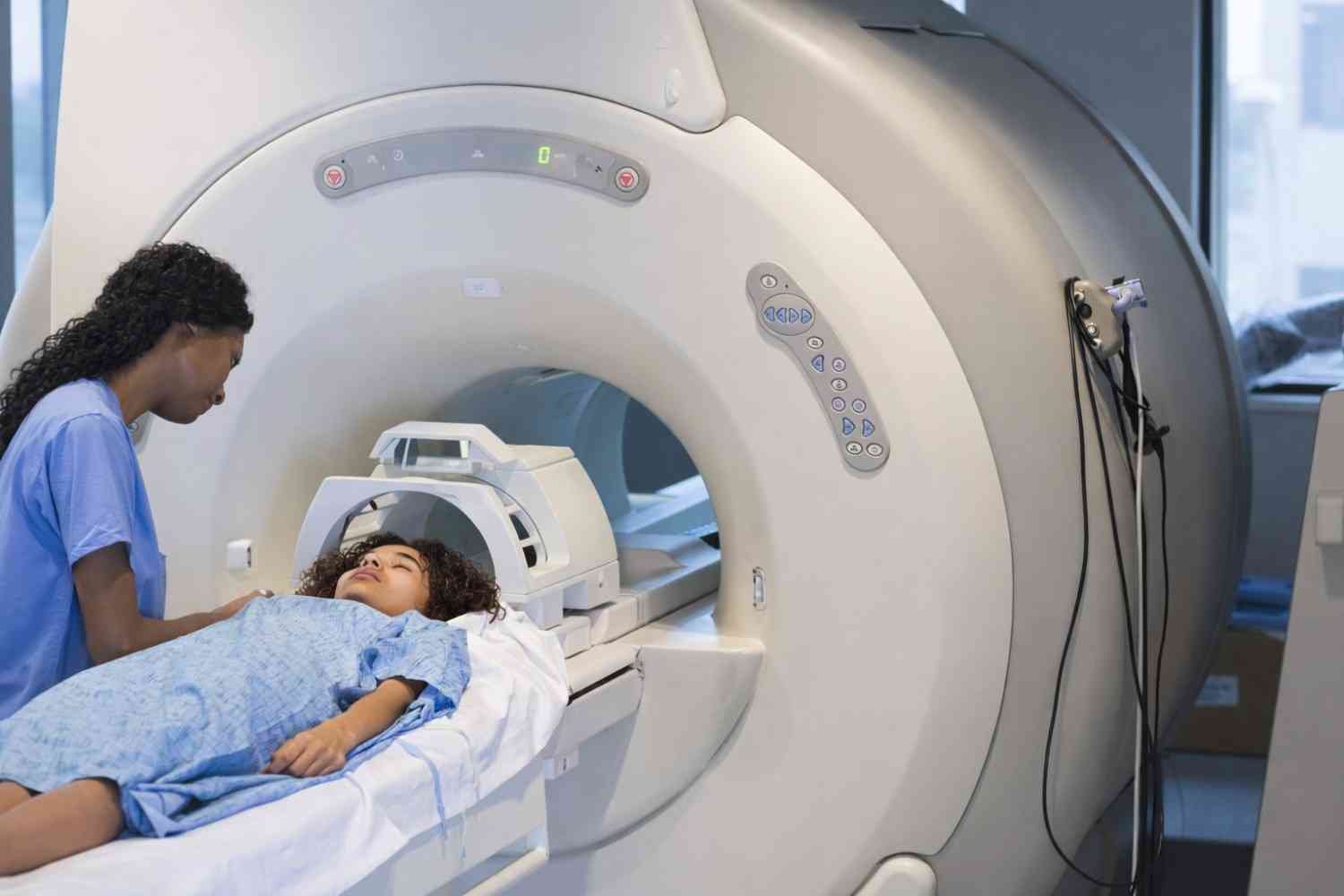
MRI is a non-invasive scan that shows the structure of the brain.
It helps detect structural abnormalities such as tumors, cysts, infections, hypoxic brain injury, or conditions like tuberous sclerosis.
Although most children with autism have a normal brain structure, MRI is useful to rule out any contraindication for the procedure.
Positron Emission Tomography – Computed Tomography
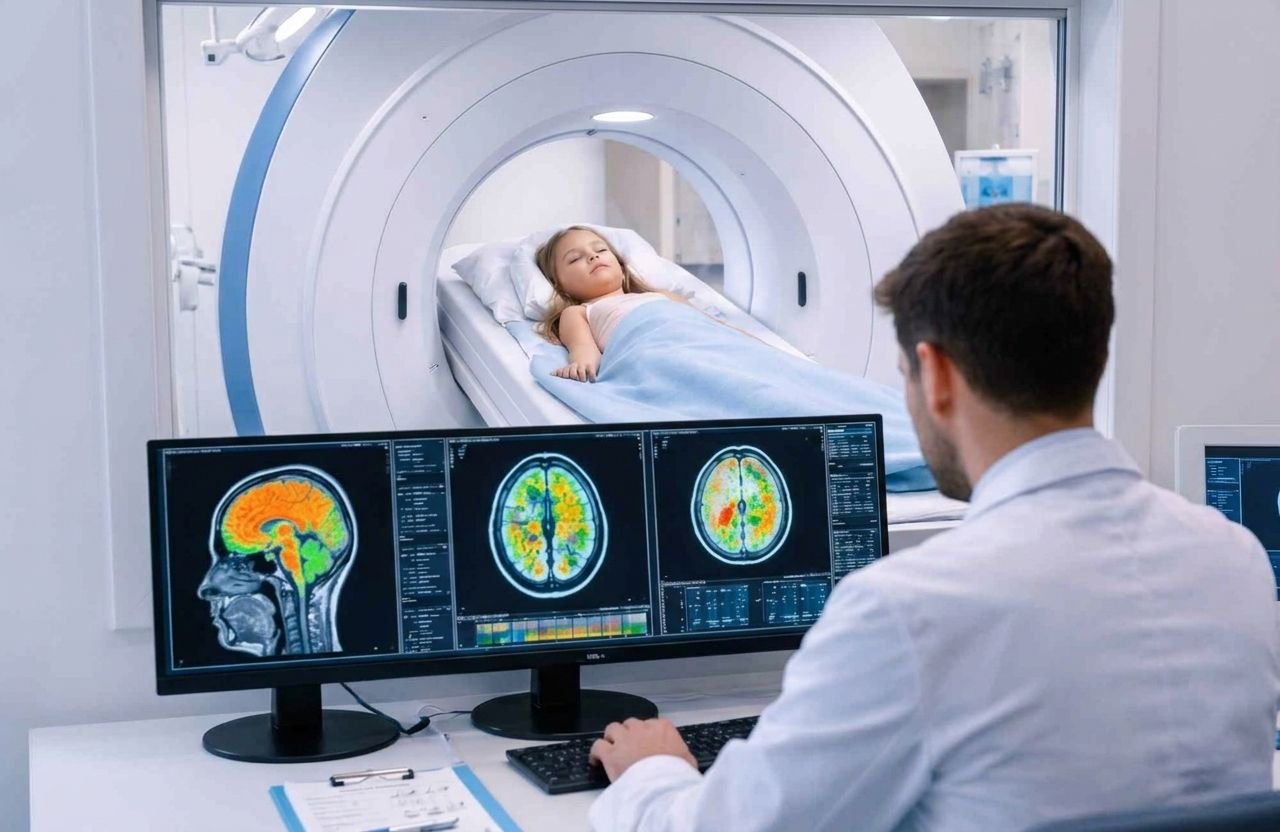
PET-CT is a functional scan of the brain, which is done to see which areas of the brain are functioning less or more than normal.
It identifies the severity of brain dysfunction. It is done before cell therapy and 6 months after cell therapy to evaluate the outcome of the treatment.
Usually in Autism, the cerebellum, thalamus, and mesial temporal regions of the brain are found to be low functioning (hypometabolism).
Dysfunction in any of these areas is responsible for problems seen in autism:
- Cerebellum: Balance, coordination, muscle tone, and speech issues
- Mesial temporal lobe: Learning, understanding, memory, social interaction, and abstract thinking issues
- Thalamus: Sensory processing issues
Electroencephalograph
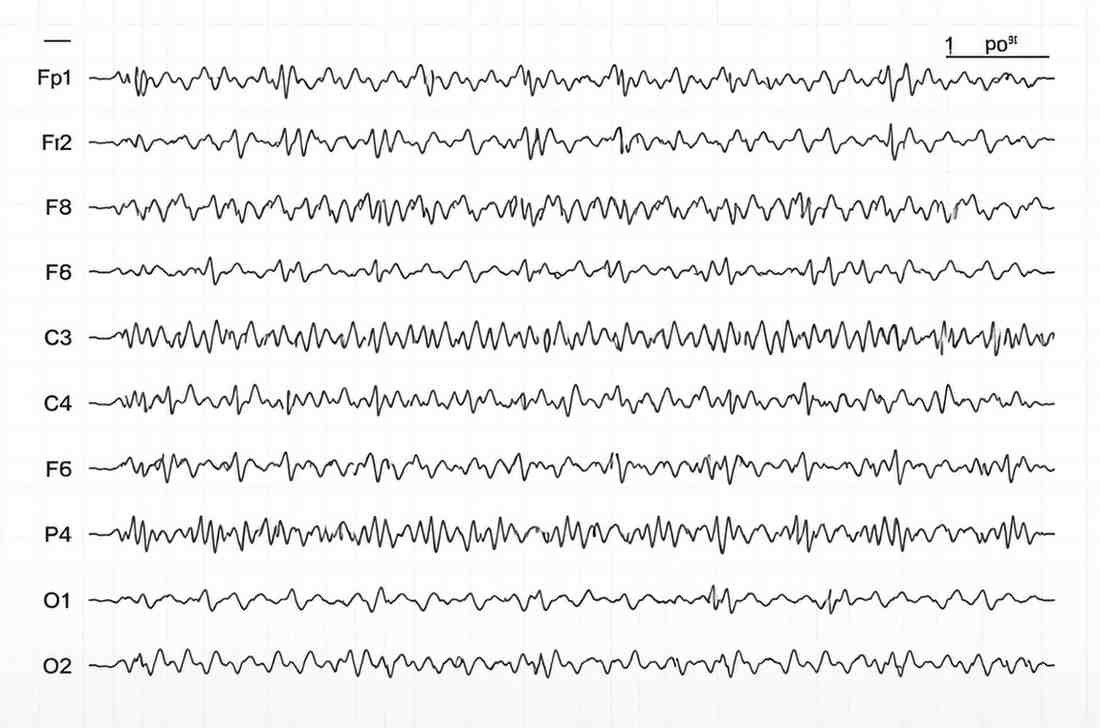
EEG is a diagnostic procedure used to study electrical activity of the brain. It tracks and records electrical brain wave patterns.
EEG identifies abnormal patterns that indicate seizures. This test helps to identify children who may require anti-epileptic medicines.
Biochemical tests analyze blood and body fluids to understand underlying metabolic and neurochemical imbalances in autism.
Vitamin Levels
We check for Vitamin D, Vitamin B2, B6 & B12, Serum Calcium, Serum Magnesium, Folic Acid.
Majority of autism children are deficient in Vitamin D, Vitamin B2, B6 & B12.
Low levels of magnesium can cause hyperactivity and low immunity.
Folic acid levels are usually high because of MTHFR gene mutation.
Routine Blood Test

The routine blood investigation for children with autism spectrum disorder includes: Complete Blood Count (CBC), Serum electrolyte, Serum Creatinine, Liver Function Test (LFT), Thyroid profile, G6PD, HIV, Hepatitis B & C, and Blood sugar testing. These tests are part of your child's developmental and physiological assessment.
Look for signs of diseases and health conditions such as diabetes, anemia.
Measure the liver functions and rule out jaundice.
Check the child's kidney function.
Check thyroid function.
Methylation Markers
Measures the level of folic acid (vitamin B9), essential for brain development and neurotransmitter production. In autism, folate metabolism may be affected due to MTHFR gene mutation or the presence of folate receptor autoantibodies (FRAA), reducing active folate to the brain — impacting cognition, speech, behavior, and development.
The level of homocysteine is an indicator of how well the body's methylation process is functioning. In autism, elevated homocysteine levels may suggest impaired detoxification and methylation, which can impact brain function and development.
Gut Microbiome Analysis

The gut microbiome refers to the microorganisms present in the digestive system, including the stomach, intestines, and colon. A healthy balance between good and bad microbes is essential. In autism, this balance may be disrupted, which can contribute to worsening of symptoms.
The gut microbiome also plays a key role in maintaining immune function and is connected to the brain through the gut–brain axis, influencing emotional and behaviour functions. Gut issues are commonly seen in children with autism, and these imbalances may impact the severity of symptoms.
Gut microbiome test is a stool test. The aim of this test is to analyze the types of microbes present and identify any imbalances in the child's digestive system. Depending on the report a gut detox plan and diet is recommended.
Genetic testing is a medical test that analyzes DNA to detect mutations or variations. It helps identify inherited conditions and assess the risk of certain disorders. In autism, changes in multiple genes may be involved. However, genetic testing cannot diagnose autism, as both genetic and environmental factors contribute to the condition.
MTHFR Gene Testing
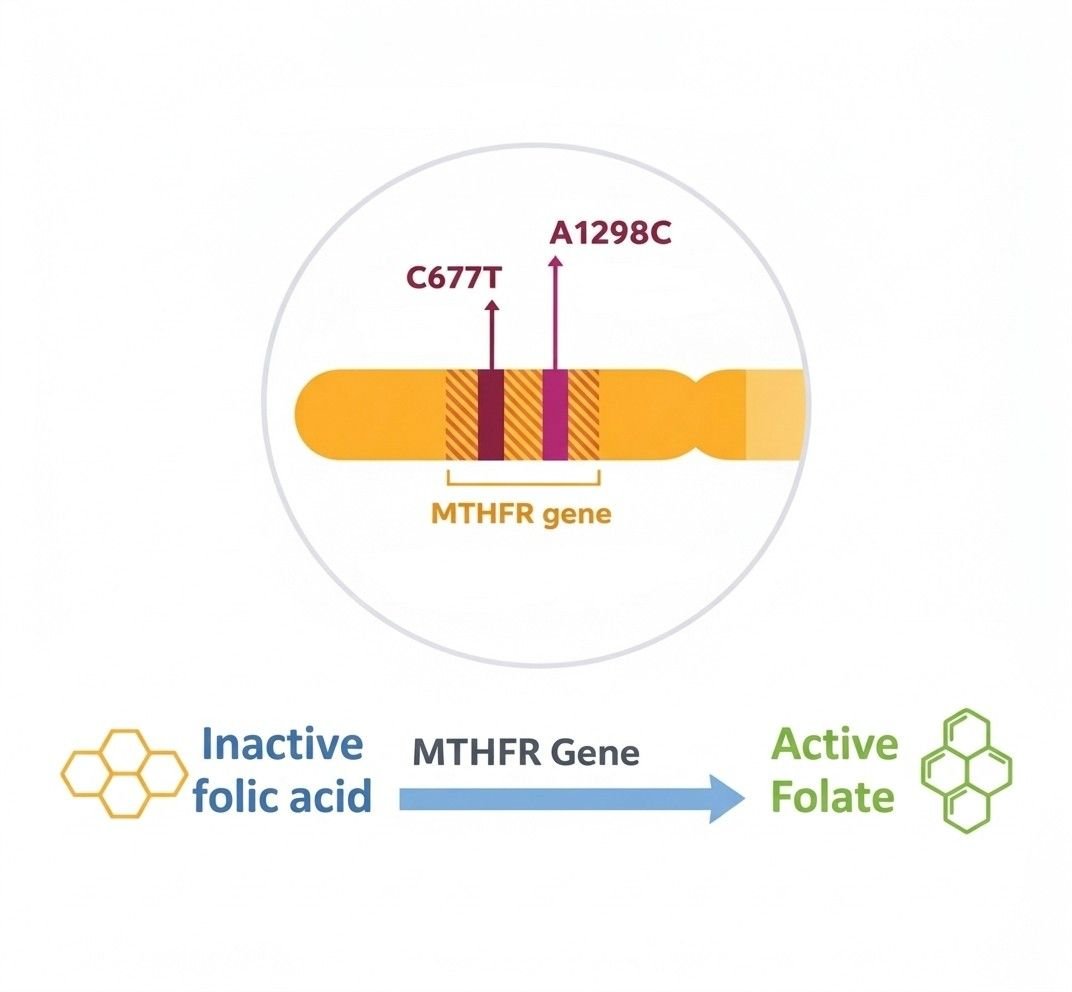
Folic acid is a very important B9 vitamin that plays a predominant role in brain function. But for our bodies to use folic acid, it needs to be converted into a different active form that is 5-MTHF.
A gene called MTHFR (methylenetetrahydrofolate reductase) is crucial for converting inactive folic acid (vitamin B9) into active 5MTHF (5-methyltetrahydrofolate). MTHFR is also essential for the methylation activities that are necessary for DNA repair and production. For the control of gene expression and neurodevelopment, proper DNA methylation is essential.
A higher risk of ASD in almost 70–75% of children has been linked to two frequent gene variants in the MTHFR gene: C677T and A1298C, found on Exon 4 and Exon 7 respectively. The test detects heterozygous (one copy) or homozygous (both copy) mutation status.
Whole Exome Sequencing (WES) — Optional Test
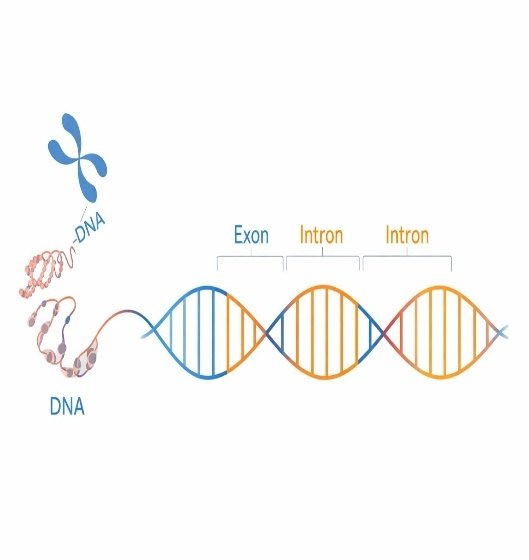
This is a blood test which analyzes protein-coding regions of genes to detect mutations associated with autism.
| Condition / Gene | Description |
|---|---|
| Fragile X SyndromeFMR1 mutation | A genetic condition caused by FMR1 mutation, leading to developmental delay and behavioral issues. |
| Rett SyndromeMECP2 mutation | A neurodevelopmental disorder (mainly in girls) caused by MECP2 mutation, affecting cognition and motor skills. |
| KCTD1316p11.2 region | Linked to the 16p11.2 region, plays an important role in autism. |
| SHANK3 | Involved in social interaction and communication. |
| CNTNAP2 | Important for brain connectivity, language, and behavior. |