Therapy 01
Psychological Intervention
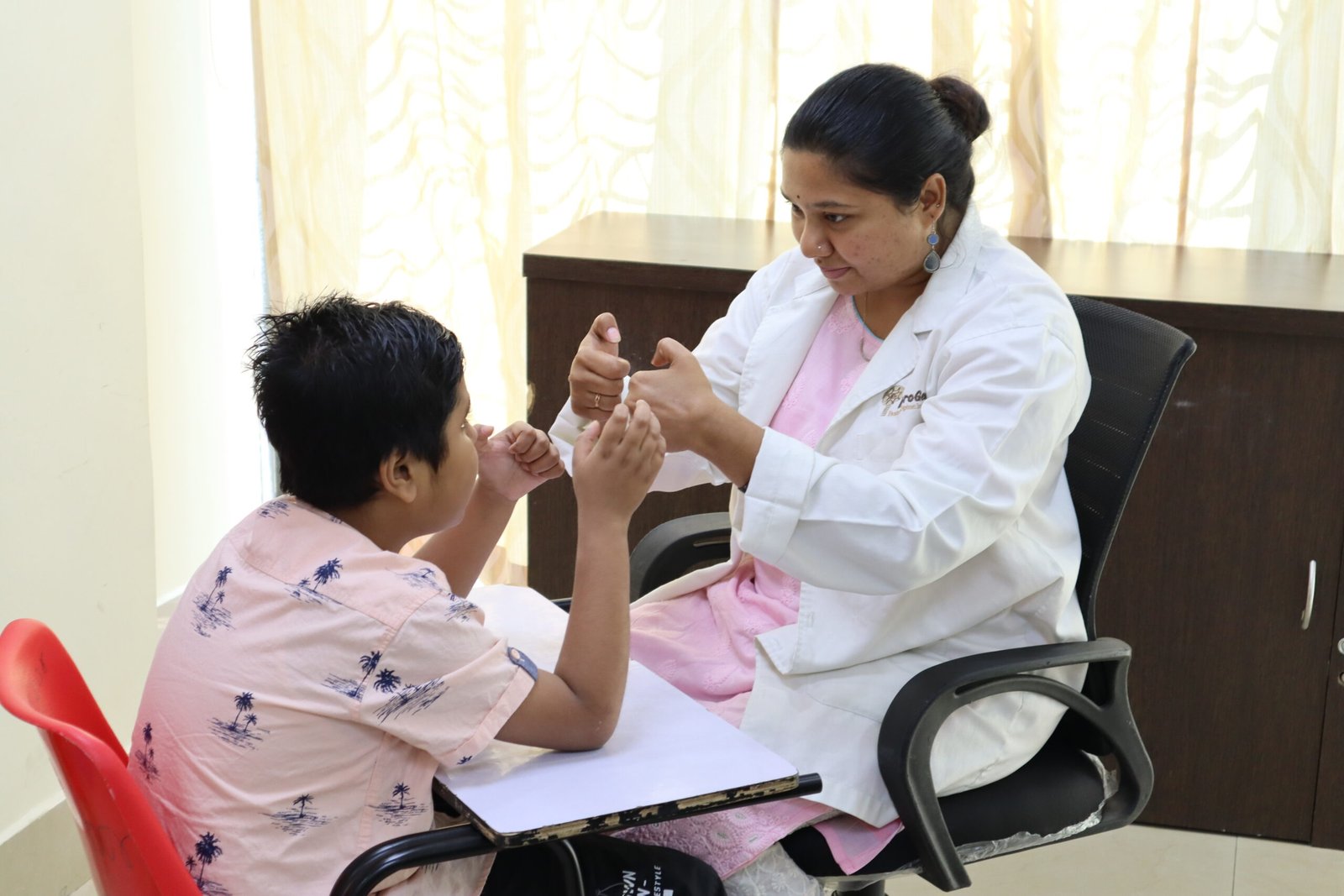
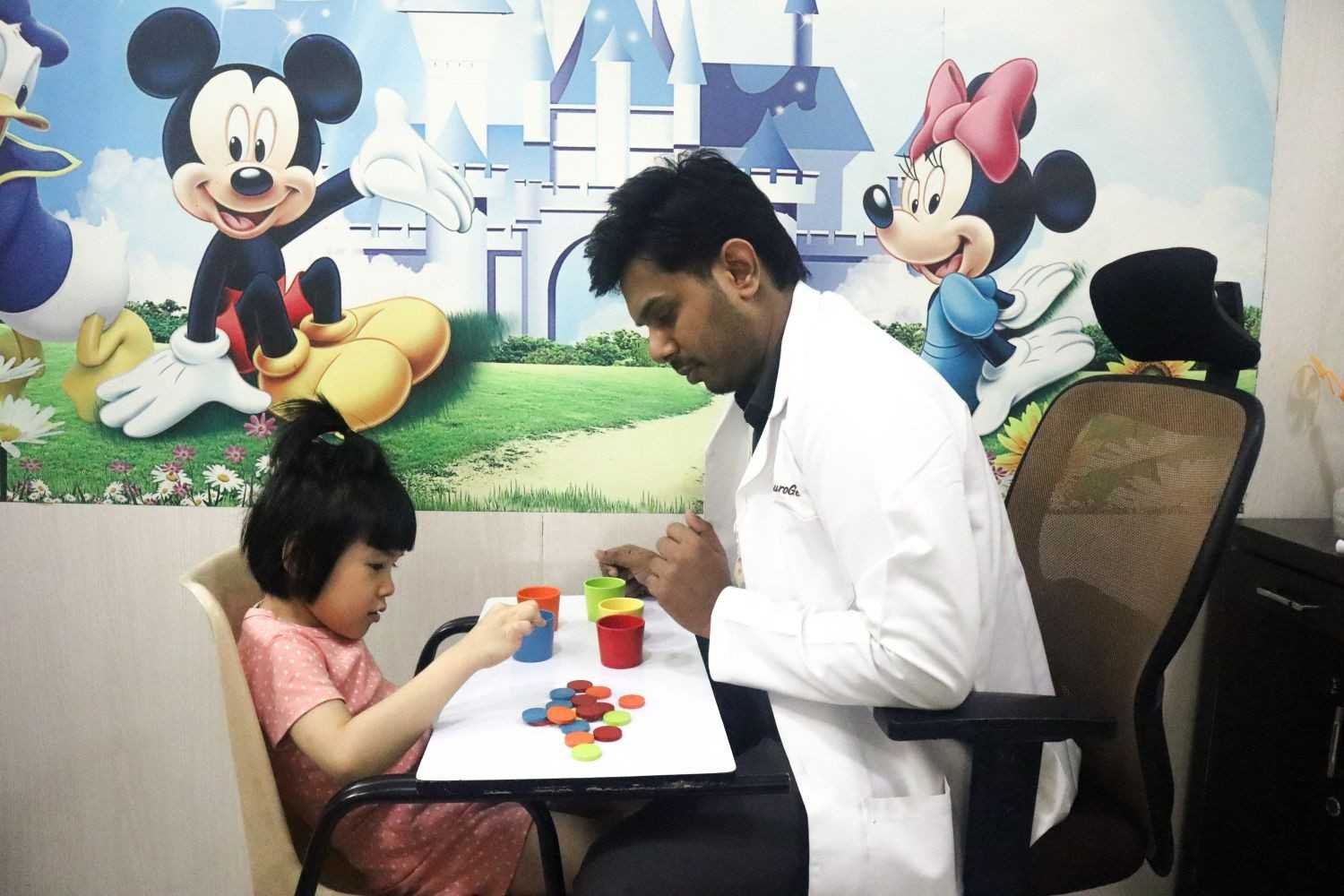
Psychological intervention supports children with autism by improving emotional, behavioral, and social development. Child psychologists assess individual challenges and create personalized strategies to enhance communication, focus, and interaction skills.
They also guide parents in managing daily behaviors and building a supportive home environment. Early intervention helps children adapt better, develop confidence, and participate more actively in everyday life.
Therapy 02
Applied Behaviour Analysis (ABA)
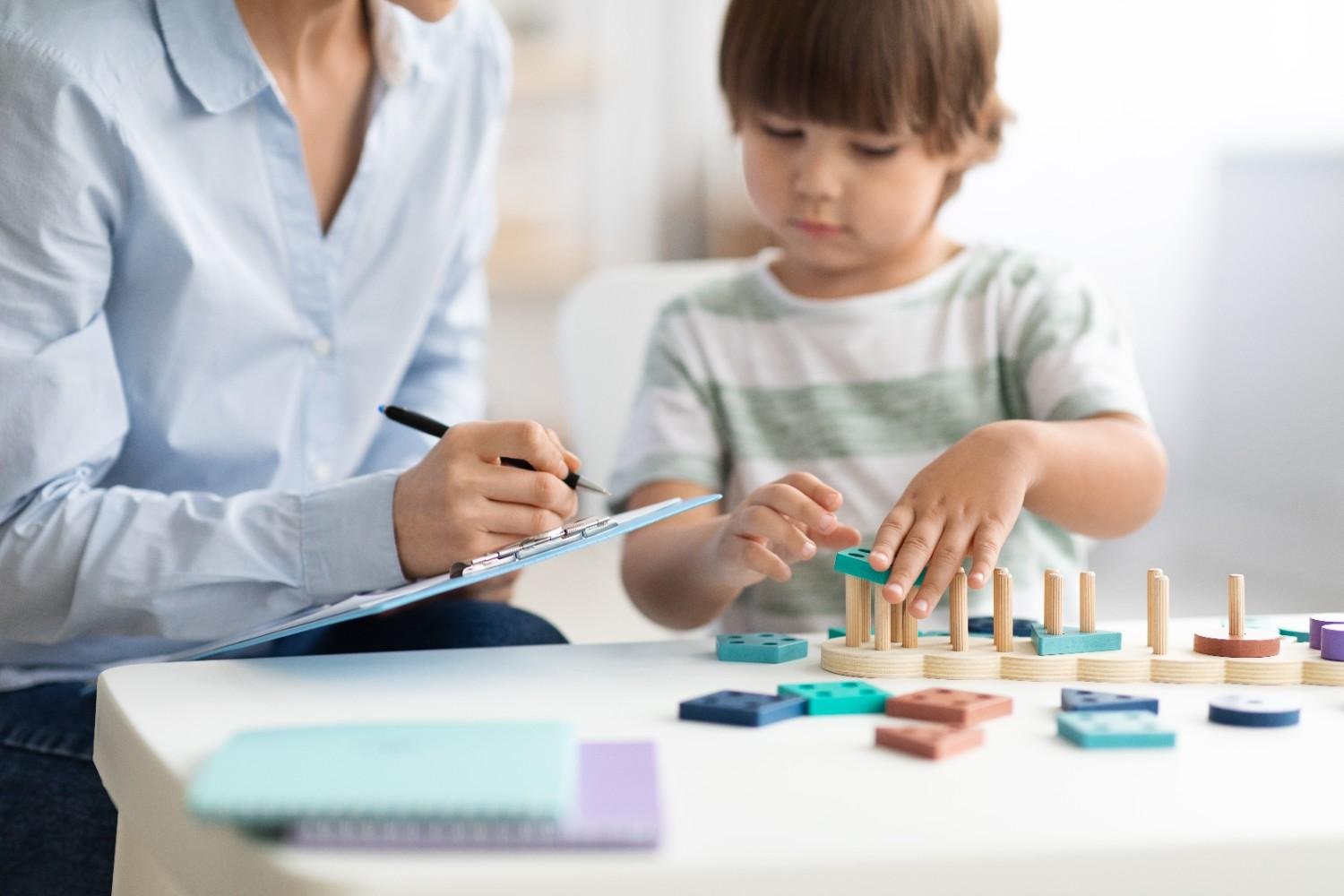
ABA is a structured, evidence-based therapy that focuses on improving behavior and learning through positive reinforcement. It helps children develop communication, social interaction, attention, and daily living skills while reducing challenging behaviors.
Each program is tailored to the child's needs, ensuring steady progress. ABA plays a key role in building independence, improving learning ability, and supporting overall developmental growth.
Therapy 03
Speech Therapy
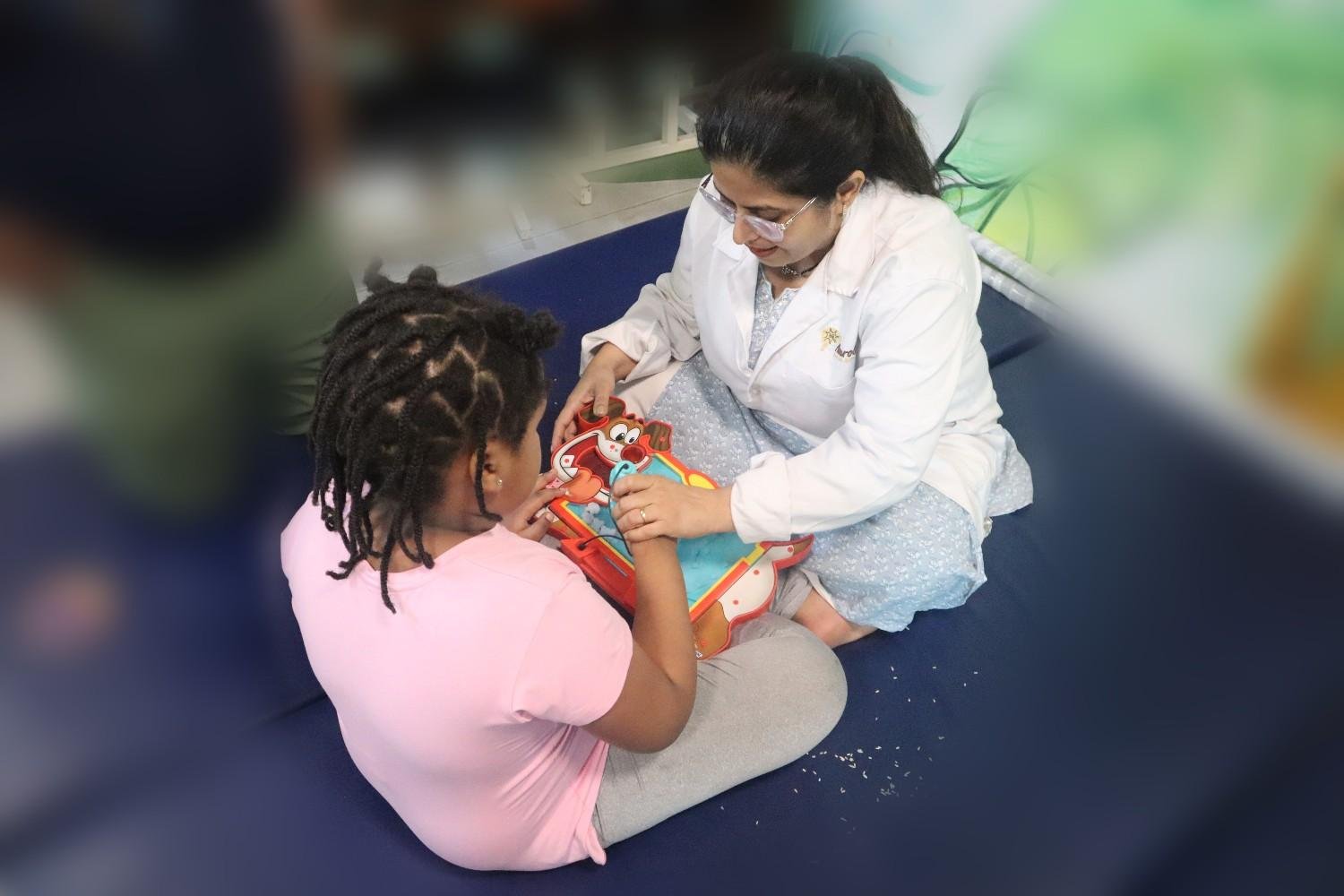
Speech therapy helps children with autism develop effective verbal and non-verbal communication skills. It focuses on improving language understanding, expression, and social interaction.
For non-verbal children, alternative communication methods such as visual aids and assistive tools are introduced. With a multi-sensory approach and consistent practice, speech therapy enhances confidence, cognitive development, and the ability to connect with others.
Therapy 04
Occupational Therapy (OT)
Occupational therapy helps children develop essential life skills for everyday activities such as eating, dressing, and social participation. It focuses on improving motor coordination, sensory processing, and behavior regulation.
Therapists design individualized programs to enhance independence, focus, and functional abilities. OT enables children to participate more confidently at home, school, and in social environments.
Therapy 05
Physiotherapy
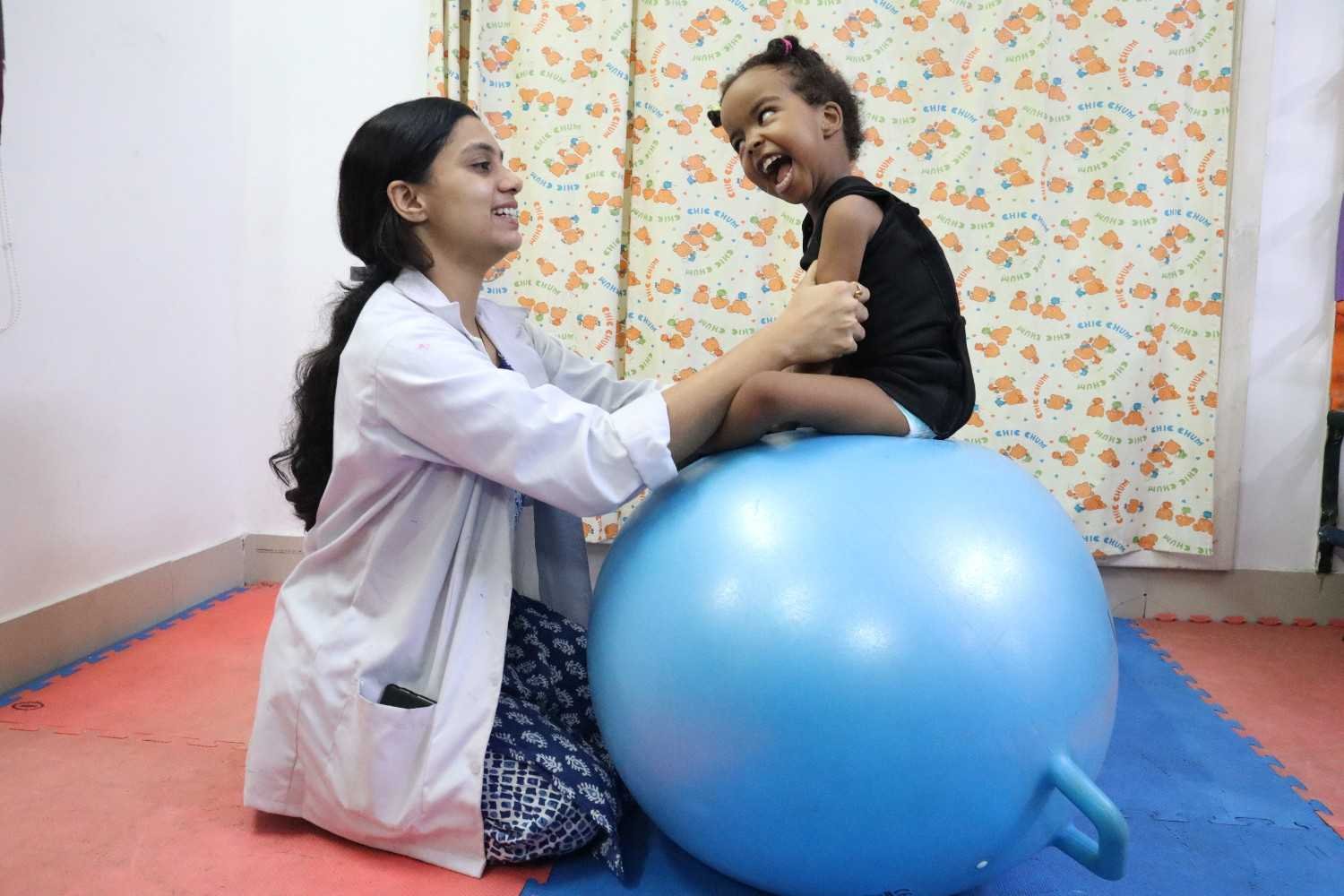
Physiotherapy addresses motor challenges such as poor balance, coordination, posture, and movement planning often seen in children with autism. Through structured exercises and guided activities, it improves strength, body awareness, and physical control.
By enhancing movement and physical abilities, physiotherapy supports better participation in play, social interaction, and daily activities, promoting overall confidence and independence.
Therapy 06
Art Therapy
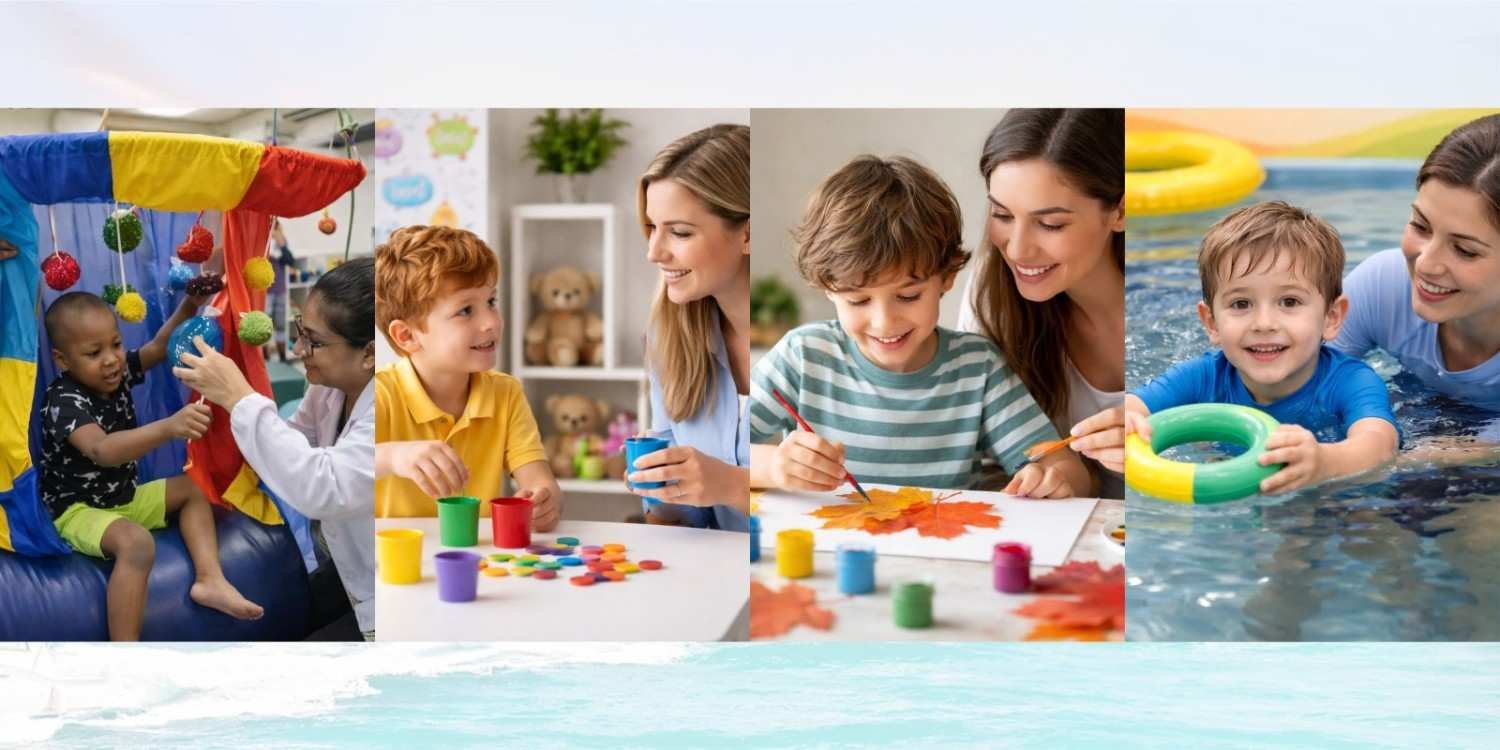
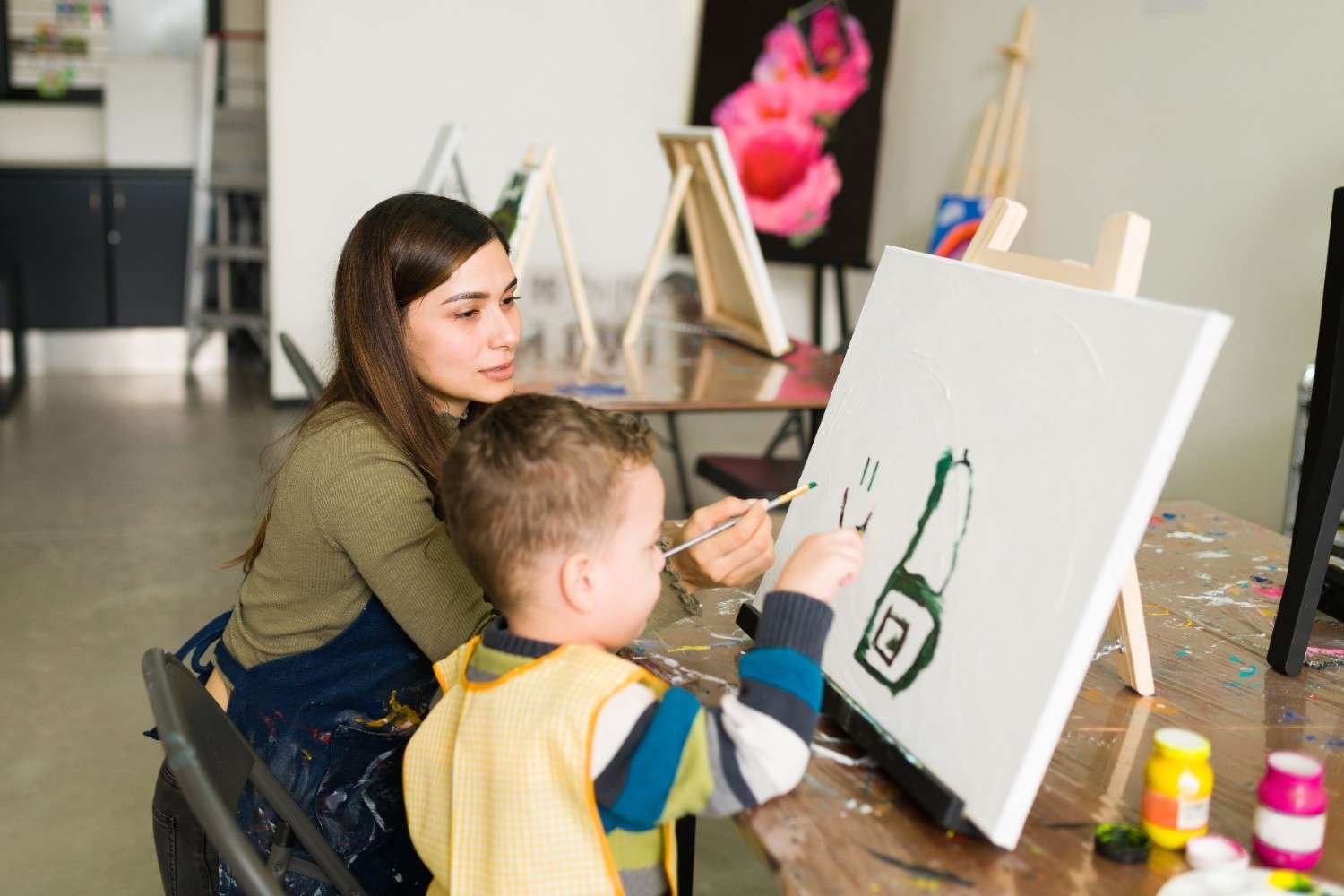
Art therapy uses creative expression to support emotional, cognitive, and social development. It provides a non-verbal medium for children to communicate thoughts and feelings, especially when speech is challenging.
Through activities like drawing and crafting, children improve sensory processing, fine motor skills, and self-expression. Art therapy also helps reduce stress, build confidence, and encourage social interaction.

Therapy 07
Diet and Nutrition
Proper nutrition plays a crucial role in supporting the overall health and development of children with autism. Many children experience dietary restrictions due to sensory sensitivities or digestive challenges.
A personalized nutrition plan helps address deficiencies, improve gut health, and reduce discomfort. By supporting the gut-brain connection, dietary interventions can positively influence behavior, energy levels, and overall well-being.
Therapy 08
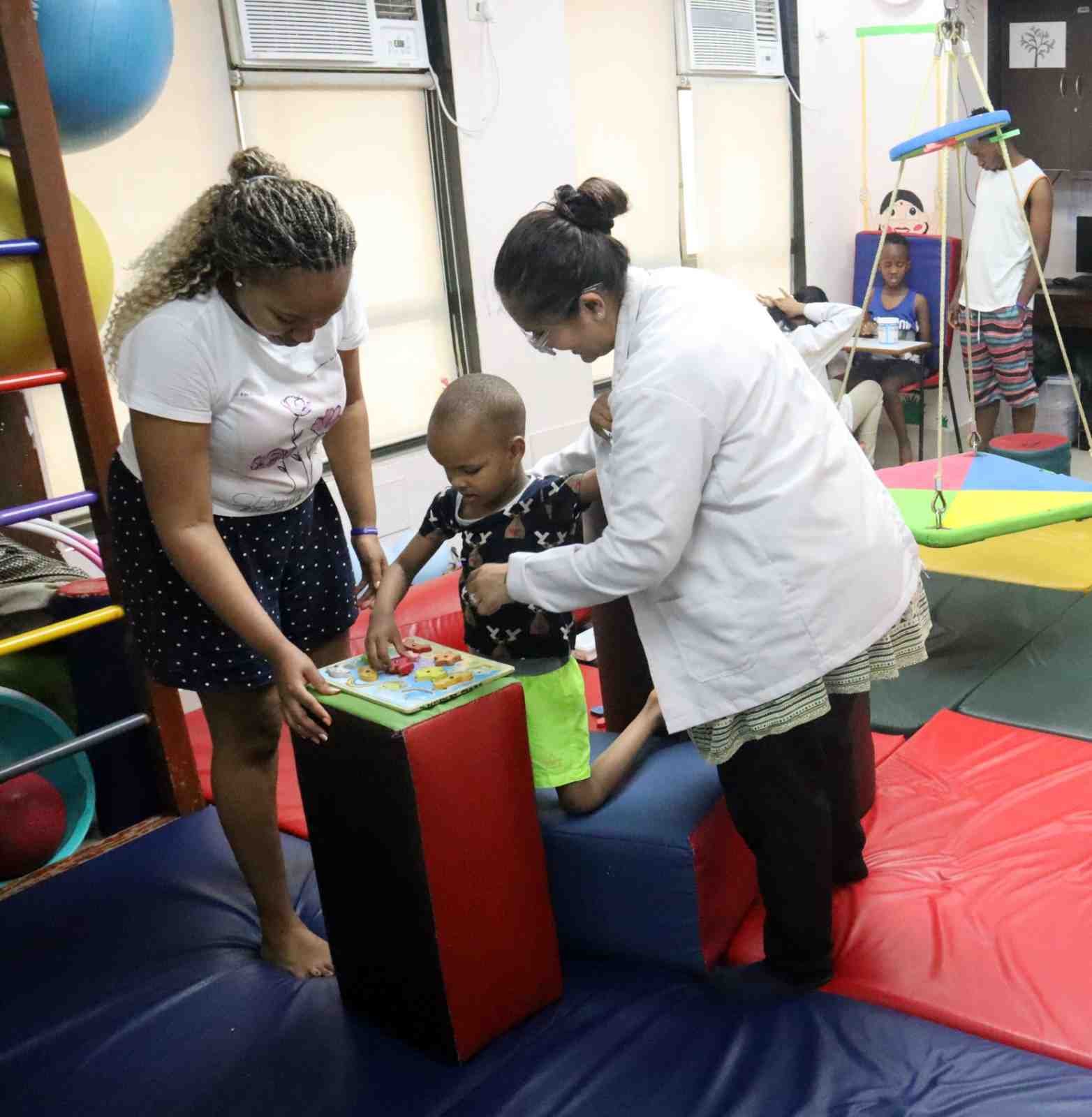
Sensory Integration Therapy
Sensory Integration Therapy helps children process and respond to sensory input more effectively. Through structured, play-based activities, it reduces sensory overload and improves focus, coordination, and behavior.
The therapy is tailored to balance hypersensitivity and hyposensitivity, enabling children to interact more comfortably with their environment. It promotes confidence, adaptability, and better daily functioning.
Therapy 09
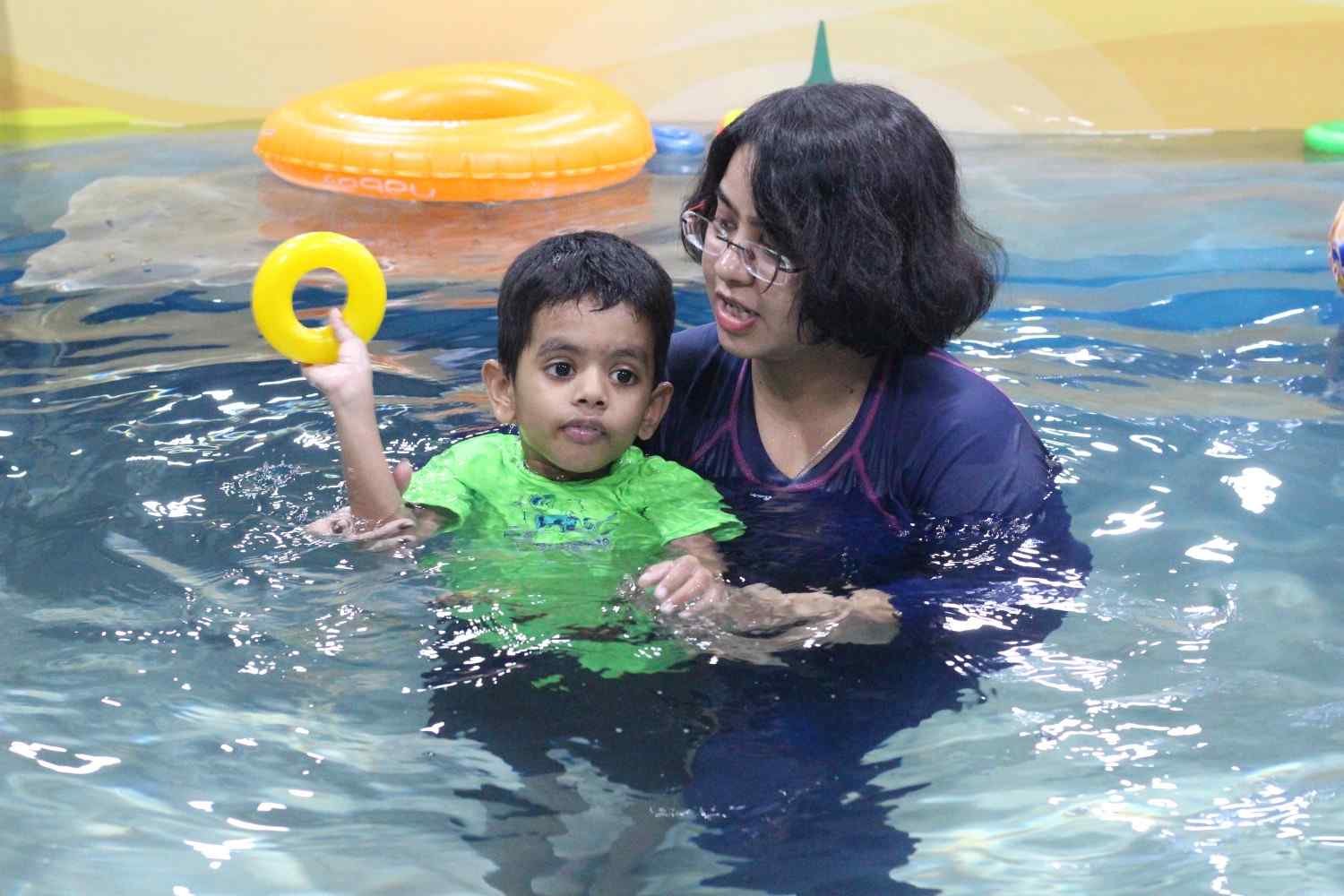
Aquatic Therapy
Aquatic therapy uses the supportive properties of water to improve physical, sensory, and emotional development. The buoyancy of water enhances movement, balance, and coordination while reducing fear of injury.
It also provides calming sensory input that helps improve focus and behavior. Engaging and enjoyable, aquatic therapy supports motor skills, social interaction, and overall confidence in children with autism.

Therapy 10
Parent Counselling
Parent counselling provides guidance and support to help parents better understand their child's condition and needs.
It equips parents with practical strategies to manage behavior, improve communication, and support daily development at home.
A structured home program with simple activities is also provided, enabling parents to actively participate in their child's therapy and progress.
In autism, active parental involvement plays a key role in improving outcomes and consistency of therapy, empowering parents to become confident and effective partners in their child's journey.