

Scope of Cell Therapy

Cell Therapy offers a regenerative approach aimed at improving neurological function by supporting the brain’s repair and recovery processes.

Cell Therapy at Bahamas NeuroGen

  • NeuroGen is recognized as one of the leading centers for autism-focused care, with experience in treating over 7000+ cases . Building on this experience, Bahamas NeuroGen offers advanced supportive care for autism using Autologous Bone Marrow Mononuclear Cells Therapy.
  • The concept of autologous bone marrow mononuclear cells grafting is based on the understanding that bone marrow–derived cells have the ability to support repair and regeneration processes within the body. At Bahamas NeuroGen, this approach is applied carefully as part of a structured and comprehensive autism care plan.
  • Many families have observed meaningful improvements in areas such as behavior regulation, sensory processing, speech and motor coordination. Reductions in hyperactivity and repetitive behaviors have also been reported. Parents have further noted improvements in their child’s focus, attention span, and daily functioning following treatment.
  • In our largest cohort study of 1011 Autism patietns, 91% of patients improved. Comparison of pre- and post-therapy PET-CT scans in 401 patients demonstrated improved metabolic activity in multiple brain regions which correlated with the observed clinical improvements.
  • At Bahamas NeuroGen, the goal is to provide science-guided, ethical, and child-centered care, supporting developmental progress while maintaining safety and responsibility at every step.

Potential Therapeutic Effects of Cell Therapy

How NeuroGen Helps Autism

Supports Neural Repair

Helps repair affected neural tissue.

Regulates Cell Development

Supports balanced cell differentiation.
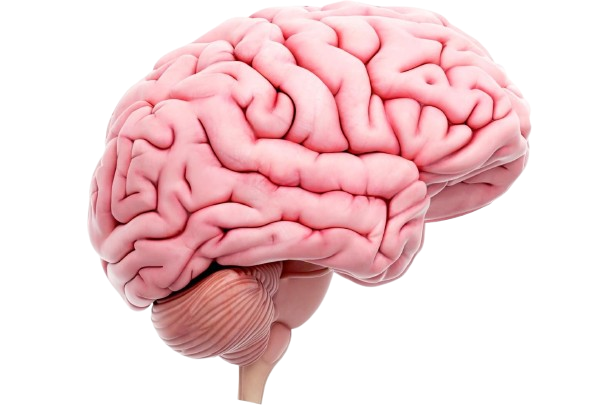
Brain

Encourages Blood Supply

Promotes formation of new blood vessels.

Anti-Inflammatory Support

Helps reduce inflammation.

Measured Patient Improvements

Attention / Concentration

82.2%

Command Following

80.3%

Eye Contact

78.3%

Sitting tolerance

70.8%

Social Interaction

65.1%

Hyperactivity Reduced

65%

Communication

61.2%

Speech

60.3%

Stereotypical Behavior Reduced

53.2%

Aggressiveness Reduced

50.9%

Self injurious behavior Reduced

49.5%