Diagnosis of Autism
Diagnosing Autism Spectrum Disorder involves careful evaluation of a child’s behavior, communication, and developmental milestones by experienced specialists. Early diagnosis helps families begin timely interventions and explore appropriate treatment options.

WHAT ARE THE TESTS TO DIAGNOSE AUTISM?
The diagnosis of Autism is almost entirely based on clinical observations, objective symptoms and behaviors. Autism is rightly defined as ‘Spectrum’, as the symptoms of Autism Spectrum Disorders vary from intellectual delays to highly intelligent, or savant skills! Therefore, while diagnosing Autism Spectrum Disorders, the “Triad of Impairment” is considered; difficulties in Social Interaction, Communication, and Restricted or repetitive Behaviors or interest in activities.
The Triad of Impairments
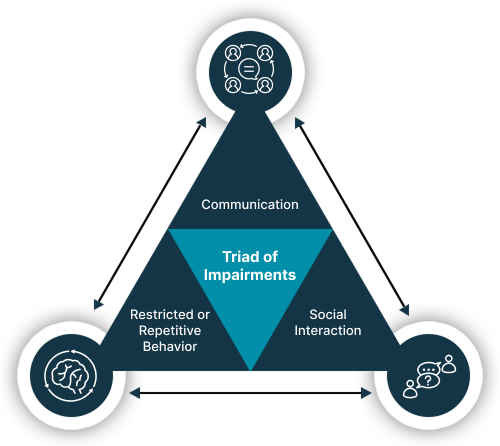
Autism Spectrum Disorder is commonly understood through three core areas of difference, often referred to as the Triad of Impairments.
- Communication – Differences in speech, language understanding, and non-verbal expression such as gestures or facial cues.
- Social Interaction – Challenges in building relationships, maintaining eye contact, and understanding social cues.
- Restricted or Repetitive Behavior – Repetitive movements, strong preference for routines, and intense focus on specific interests.
Together, these three areas help professionals understand the characteristics and support needs of individuals on the autism spectrum.
Diagnosis Process
Step 1
Initial Screening Process for Autism
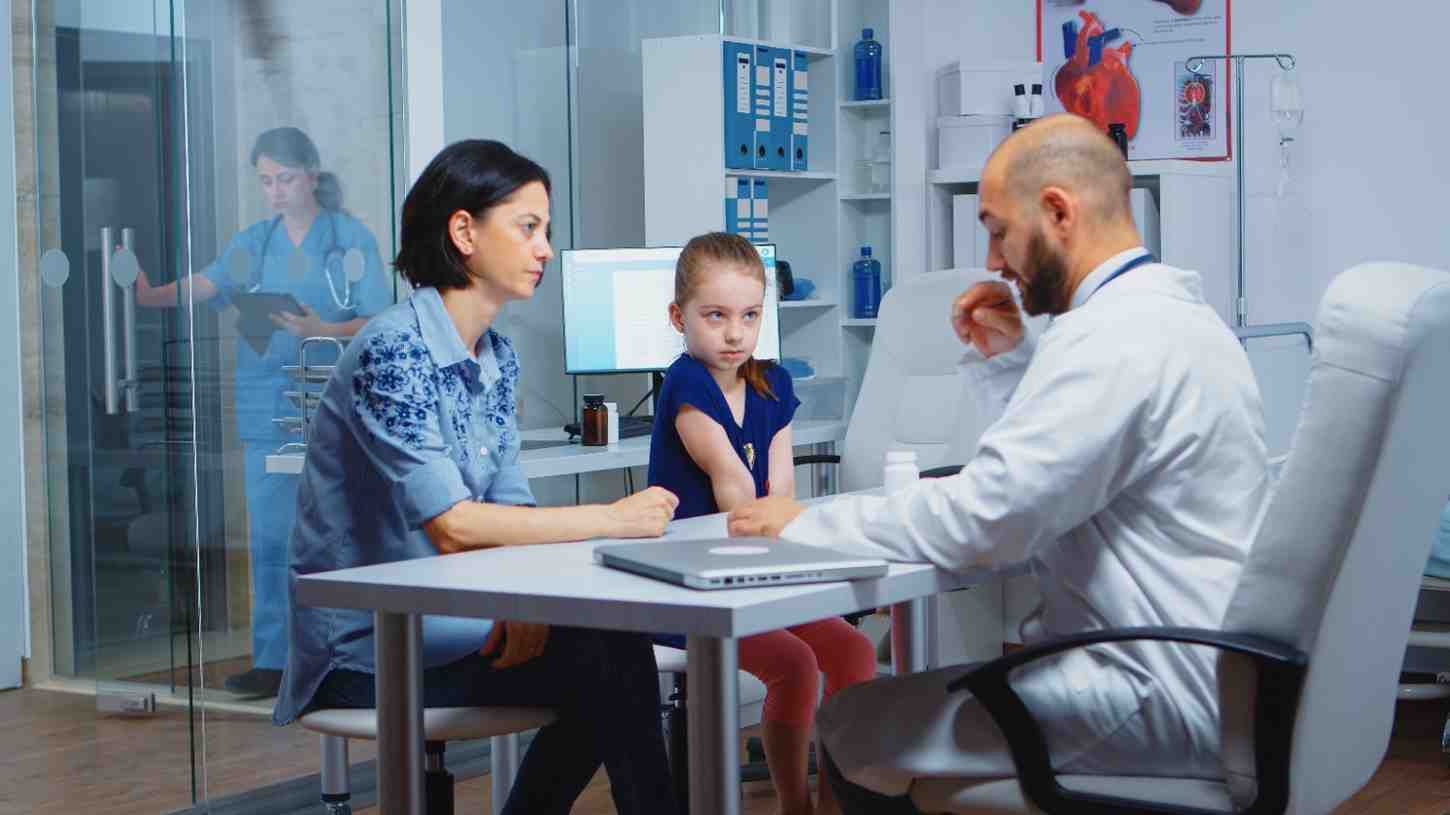
- In most cases, the first professional a parent consults after noticing unusual signs or possible indicators of autism is the child’s pediatrician.
- During this visit, the pediatrician conducts an initial screening by observing the child’s developmental milestones.
- This includes evaluating social smiling, imitation of sounds and expressions, babbling, motor development, and overall responsiveness.
- The pediatrician also looks for behavioral patterns, such as repetitive gestures, limited eye contact, difficulty responding to their name, or challenges in interaction and communication.
- Parents may be asked about the child’s ability to express needs, ask questions, understand instructions, and follow commands.
- If speech has developed, attention is given to tone of voice, as well as sensitivity to external stimuli such as loud noises, bright lights, or sudden touch.
- Additionally, concerns related to sleep patterns or digestive issues may also be discussed, as these can sometimes be associated.
- This stage functions as an initial screening to determine whether further evaluation is required.
Step 2
Radiological Investigations in Autism
MRI (Magnetic Resonance Imaging)
MRI is a safe, non-invasive scan that shows the structure of the brain. In most children with autism, the brain structure appears normal. However, MRI helps doctors rule out other conditions such as tumors, cysts, birth-related injury, infections, or genetic conditions like tuberous sclerosis.
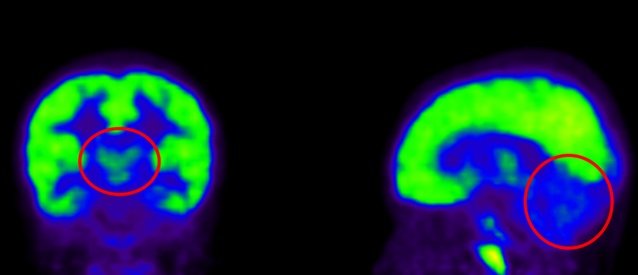
PET-CT scan (Positron Emission Tomography–CT)
It evaluates how the brain is functioning by measuring its metabolic activity. Even when brain structure looks normal on MRI, PET-CT can show areas that are less active (hypometabolism). In autism, certain brain regions show reduced activity such as the temporal lobe involved in language and social processing, the cerebellum responsible for motor coordination, understanding, speech, the thalamus which relays sensory signals, the orbitofrontal cortex that helps regulate behaviour, and the hippocampus important for memory and learning.
Step 3
Comprehensive Diagnostic Evaluation

- If concerns persist, the next step involves consultation with a multidisciplinary team specializing in Autism Spectrum Disorders.
- This team may include a clinical psychologist, occupational therapist, speech and language pathologist, and, when required, a developmental pediatrician or neurologist.
- The purpose of this evaluation is to assess the child’s cognitive development, intellectual abilities, language skills, and level of independence in daily activities.
- Understanding these areas helps professionals create a structured and individualized treatment plan to support the child’s developmental progress.
- If associated conditions or comorbidities are suspected, additional assessments or genetic testing may be recommended to rule out syndromic concerns.
- Childhood Autism Rating Scale (CARS-2) and Gilliam Autism Rating Scale (GARS) are often used to evaluate Autism level.
Some of the commonly used comprehensive diagnostic tools for autism evaluation include:
- Childhood Autism Rating Scale (CARS / CARS-2)
- Autism Diagnostic Observation Schedule (ADOS)
- Gilliam Autism Rating Scale (GARS / GARS-