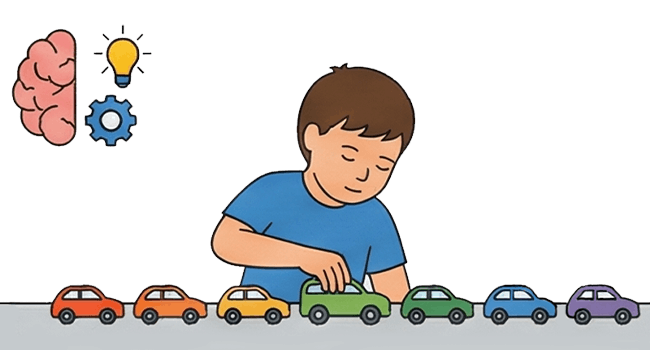
The signs of Autism Spectrum Disorder can vary from child to child but commonly include challenges in communication, social interaction, and repetitive behaviors. Recognizing early symptoms can help parents seek timely evaluation and appropriate intervention.
Understanding the Signs of Autism
Autism Spectrum Disorder presents differently in every child. Below are common signs that parents may observe in daily life.
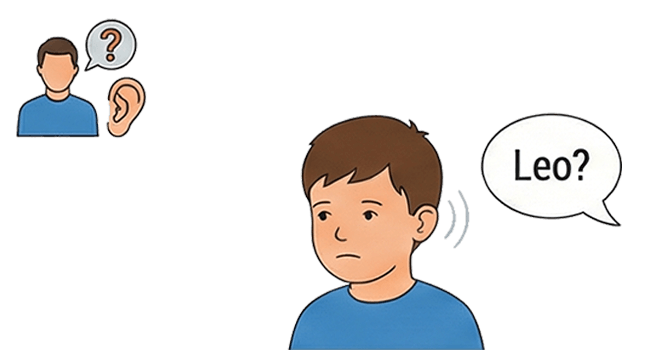
No Response to Name
Your child may not turn or react when their name is called, even though their hearing seems normal.
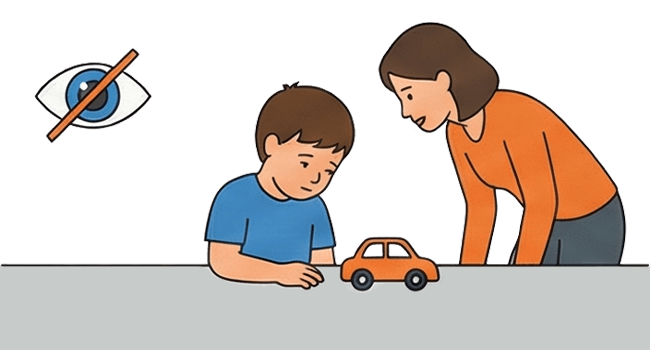
Limited Eye Contact
They may avoid eye contact or find it uncomfortable during conversations or play.
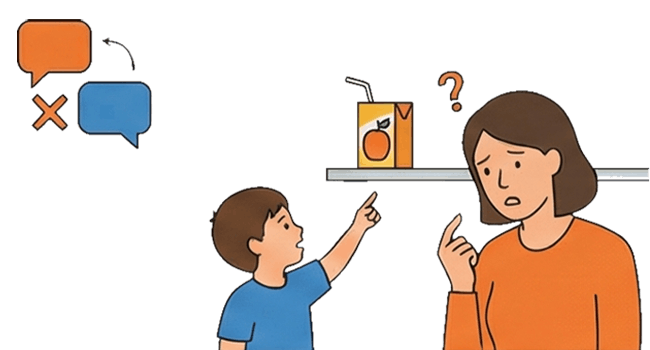
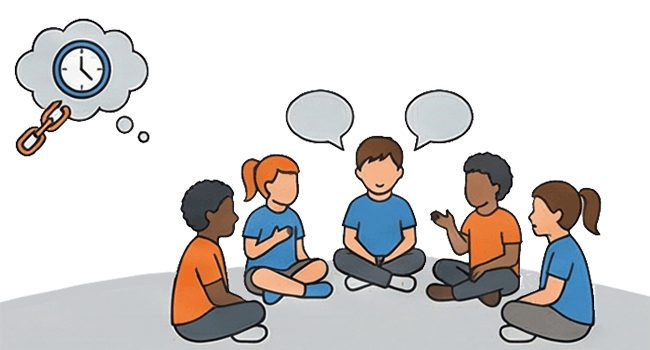
Communication Challenges
Expressing needs, asking for help, or holding simple conversations may feel difficult.
Regression in speech
Speech may develop later than expected, or words once spoken may gradually disappear.
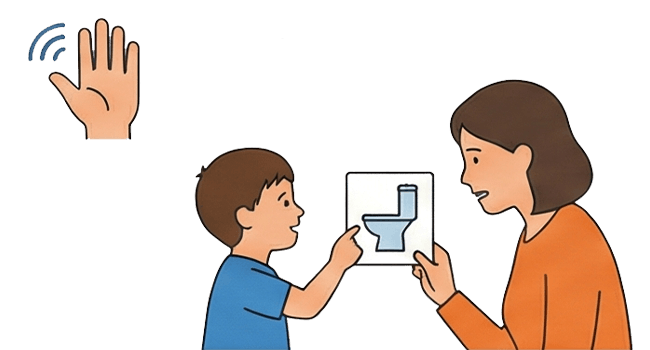
Reliance on Gestures
Instead of speaking, your child may point, pull your hand, or use physical cues to communicate.
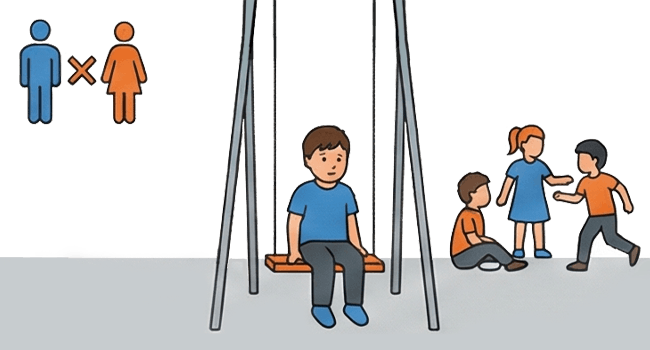
Social Interaction Difficulties
They may prefer playing alone or struggle to connect with other children.
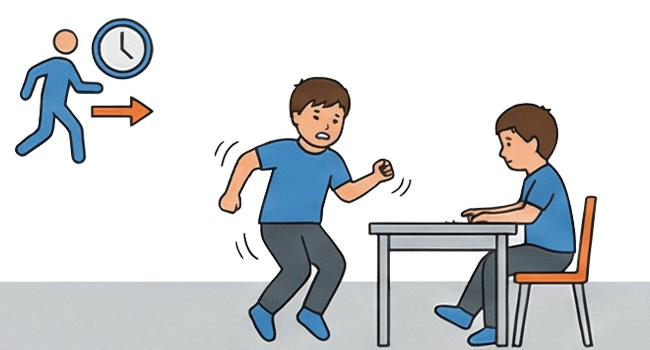
Constant Restlessness
Sitting still may be challenging, with frequent movement or bursts of activity.
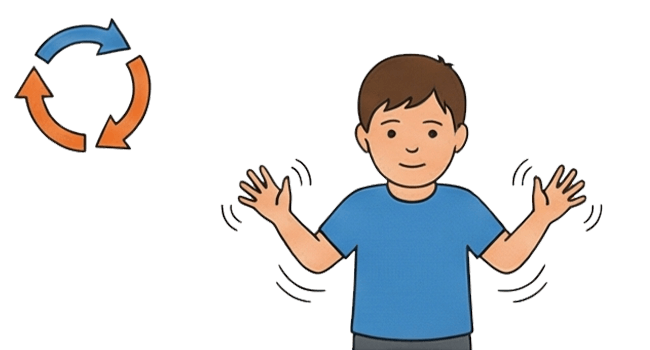
Repetitive Behaviors
You might notice repeated hand movements, rocking, spinning, or repeating actions.
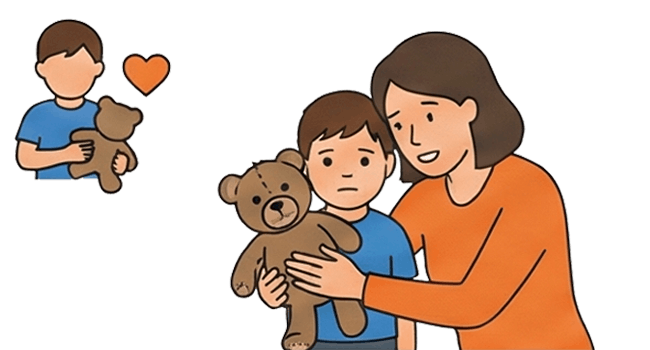
Strong Attachment to Objects
Certain toys or objects may become essential sources of comfort and routine.
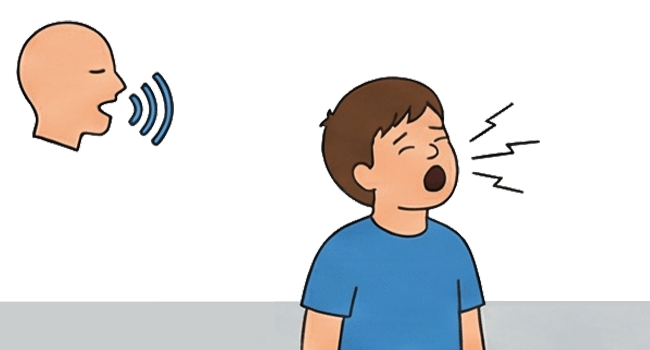
Unusual Vocal Sounds
Sudden loud noises or repetitive sounds may occur without clear purpose.
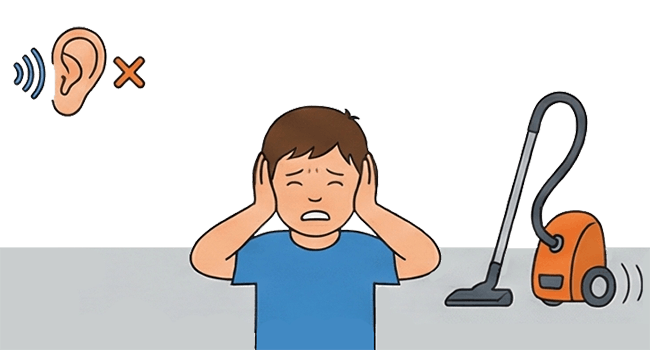
Sensitivity to Noise
Everyday sounds—like appliances or traffic—may feel overwhelming or distressing.
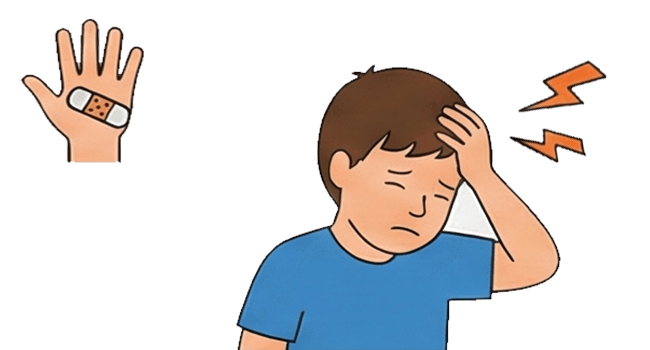
Self-Injurious Actions
During frustration or distress, a child may hit themselves or engage in harmful behaviors.
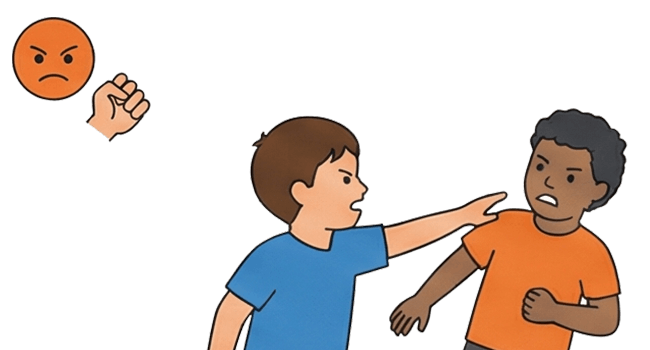
Aggressive Responses
Difficulty communicating emotions may sometimes lead to physical reactions toward others.
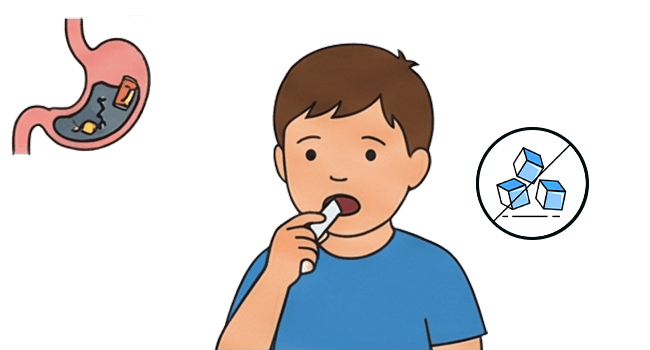
Eating Non-Food Items
Some children may attempt to chew or swallow items that are not food.
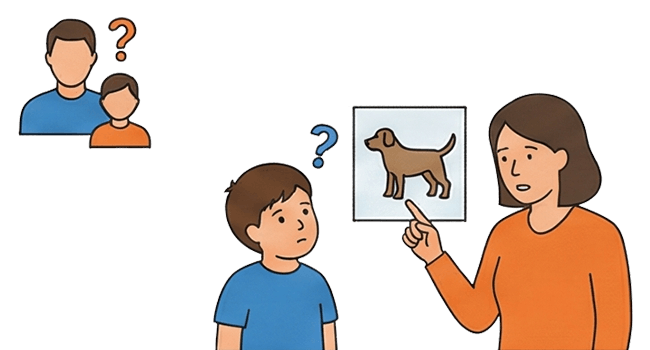
Difficulty Reading Social Cues
Expressing needs, asking for help, or holding simple conversations may feel difficult.
Intense Focus on Interests
A child may become deeply absorbed in a specific topic, object, or activity for long periods.